Overview of Indiana Road Sign Tests
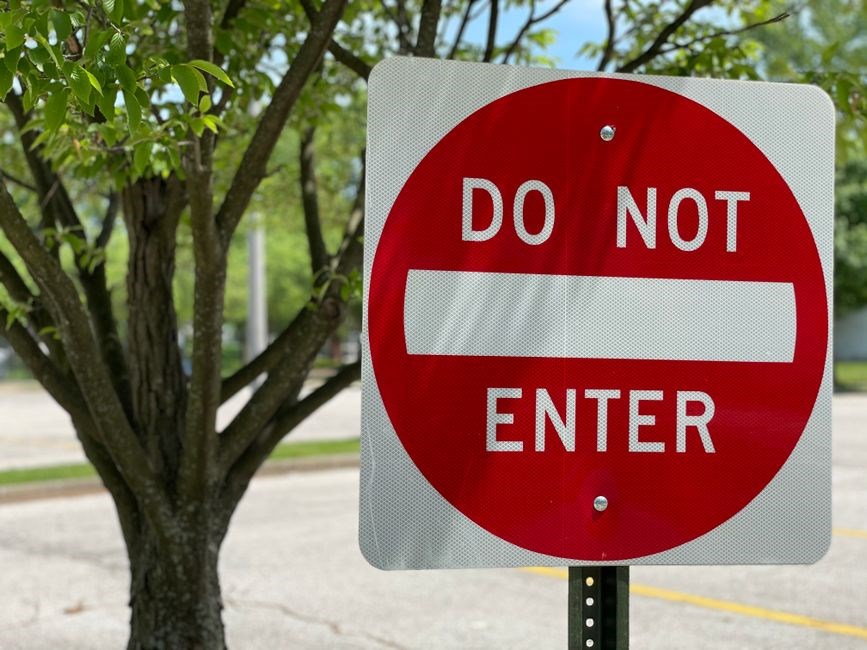
The Indiana road‑sign portion features 20 multiple‑choice or true/false questions‚ with a 5‑minute limit. Applicants may err on only two items; a perfect score in other sections does not compensate for failures here. Images of signs prompt responses‚ and tools like 50/50 or hint aid selection. for success.
Purpose and Importance of the Road Sign Section

The Indiana BMV road‑sign portion is not merely a trivia segment; it is a rigorous assessment of a learner’s visual literacy on the highway. Traffic signs are the language of the road—each symbol‚ color‚ and shape conveys a specific directive that can prevent collisions‚ reduce congestion‚ and protect vulnerable road users. Because the test presents 20 multiple‑choice or true/false items‚ a single misinterpretation can have real‑world consequences‚ so the exam limits errors to only two. This strict criterion ensures that only those who consistently recognize and react correctly to signs are granted a license.
In practice‚ the test mirrors on‑road encounters: a driver may see a stop sign and must choose the correct action‚ or a scenario may describe a curve ahead‚ prompting the selection of the appropriate warning sign. The inclusion of image‑based questions trains test takers to process visual cues quickly‚ a skill that is essential when driving at speed or in complex environments.
Interactive aids such as the 50/50 elimination and hint buttons simulate the decision‑making tools available to drivers in the field‚ reinforcing the importance of rapid‚ accurate judgment. Mastery of this section guarantees a passing score and‚ more importantly‚ embeds a habit of attentiveness that carries over into everyday driving.
- Safety: Correct sign recognition reduces the likelihood of accidents and enhances overall road safety.
- Legal Compliance: Understanding signs ensures adherence to traffic laws‚ avoiding fines and penalties.
- Confidence: Familiarity with signs builds driver confidence‚ especially in unfamiliar areas.
- Efficiency: Quick interpretation of signs leads to smoother traffic flow and less congestion.
- Responsibility: Recognizing warning signs promotes proactive hazard avoidance for all road users.
Ultimately‚ excelling in the road‑sign section demonstrates a driver’s readiness to navigate Indiana’s diverse roadways—whether on bustling city streets‚ quiet rural roads‚ or interstate highways—while upholding the highest standards of safety and responsibility.
Passing Criteria and Test Constraints
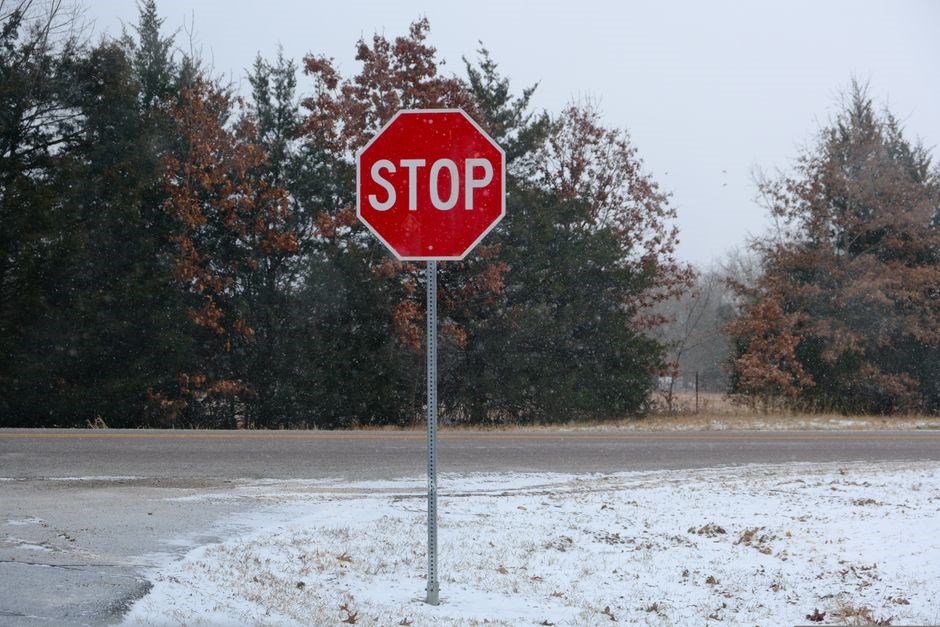
Indiana’s road‑sign test is a 20‑question multiple‑choice or true/false quiz that must be completed within five minutes. The state allows only two incorrect answers; any more and the entire permit exam must be retaken. A passing score is achieved by correctly answering at least 16 questions. Each question presents either a sign image or a scenario description‚ and the test taker selects the single best response. The time limit and strict error tolerance emphasize rapid visual processing and accurate decision‑making‚ mirroring real‑world driving demands. Testers can use built‑in aids: a 50/50 option removes two wrong choices‚ and a hint provides a clue to the correct answer. However‚ these aids do not extend the allotted time‚ so speed remains critical. The test is administered online or in person at a BMV office‚ and the same rules apply in both settings. Because the road‑sign portion is a mandatory component of the learner’s permit‚ failure to meet the passing criteria automatically results in a permit denial‚ regardless of performance on other sections. Therefore‚ thorough preparation‚ familiarity with every sign type‚ and practice under timed conditions are essential for success. Studying the official Indiana Driver’s Manual‚ reviewing practice tests‚ and memorizing each sign’s meaning will strengthen your visual memory and reduce test anxiety. Remember that each sign’s color and shape convey rules—red octagons mean stop‚ yellow triangles warn of hazards. Reviewing these cues embeds them into memory.
Test Structure and Question Types
The Indiana road‑sign test contains 20 questions‚ split between multiple‑choice and true/false formats. Each item shows a sign image or description‚ requiring quick identification and response. The test lasts five minutes‚ with a strict two‑error limit. Practice.!!
Multiple-Choice and True/False Formats
The Indiana road‑sign portion of the BMV permit test is structured around 20 questions that test quick recognition and interpretation of traffic control devices. Each question appears in either a multiple‑choice format—offering two to five possible answers—or a true/false format that asks the examinee to judge a statement about a sign’s meaning or required driver action. The test is timed to five minutes‚ forcing learners to rely on instinctual knowledge rather than exhaustive research.
In the multiple‑choice section‚ a visual of a sign is displayed and the test taker must select the correct driver response. For example‚ a stop sign image will prompt options such as “stop‚ then proceed when safe” or “slow down and proceed.” The true/false questions often present a scenario or description‚ such as “A yield sign indicates you must give right‑of‑way to all traffic.” The examinee must decide if the statement is correct; Both formats are designed to assess not only recognition but also the application of rules in real‑time driving situations.
To aid test takers‚ the online practice platform includes built‑in study aids. The 50/50 feature eliminates half of the incorrect choices in a multiple‑choice question‚ while the hint button offers a clue that can clarify ambiguous sign meanings. These tools are especially useful when the learner is unsure about a sign’s exact function or the proper response. However‚ reliance on these aids should be balanced with thorough study of the official Indiana Driver’s Manual‚ which provides comprehensive explanations of each sign type‚ color coding‚ and legal implications. Mastery of both question formats is essential for achieving the required 16‑out‑of‑20 correct threshold‚ as the test allows only two mistakes before a retake is mandated.
Visual Identification with Sign Images
In the Indiana BMV permit test‚ visual recognition of traffic control devices is the core of the road‑sign section. Each question presents a high‑resolution image of a regulatory‚ warning‚ or informational sign‚ and the examinee must identify the sign’s meaning or the correct driver response. The images are drawn from the official Indiana Driver’s Manual and are reproduced with accurate color‚ shape‚ and text to match real‑world signs. Because the test is timed‚ learners must develop the ability to read a sign’s color‚ symbols‚ and any accompanying text within seconds.
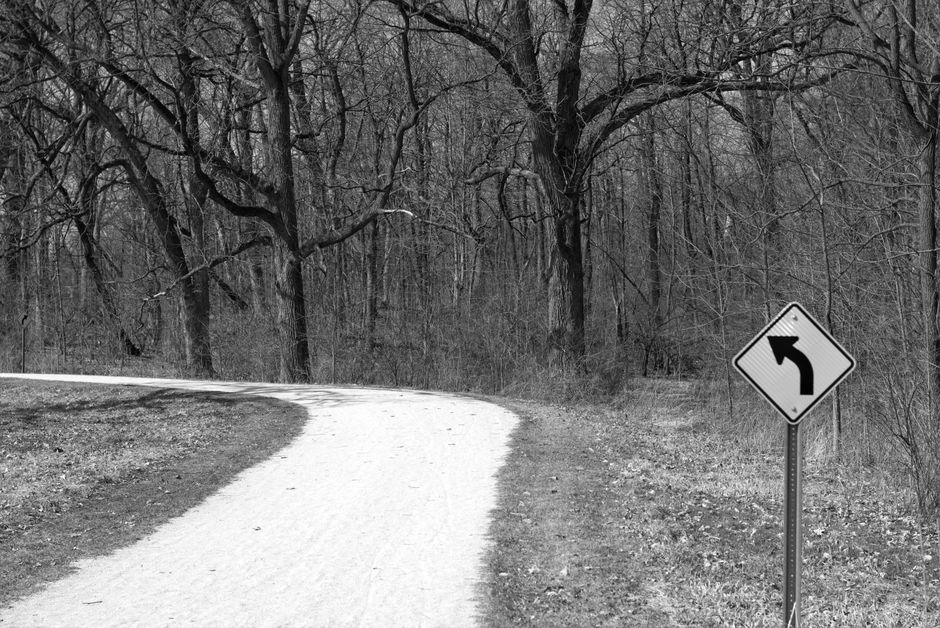
The test includes a variety of sign types: regulatory signs such as stop‚ yield‚ and speed limit; warning signs like curve ahead‚ school zone‚ and pedestrian crossing; guidance signs including route markers‚ exit signs‚ and directional arrows; and informational signs that provide services or points of interest. Each image is paired with a multiple‑choice question that asks either “What does this sign mean?” or “What should a driver do when encountering this sign?” The correct answer is always the one that aligns with the legal interpretation found in the Indiana Driver’s Manual.
The online practice platform offers interactive features. The 50/50 tool eliminates two incorrect options in a multiple‑choice question‚ while the hint button reveals a short clue about the sign’s function. These aids are useful for confirming uncertain identifications‚ but they should not replace thorough study of the sign’s shape‚ color‚ and text. Memorizing the visual characteristics of each sign—such as the triangular shape of a warning sign or the blue background of a regulatory sign—helps reduce the time needed to recognize them during the actual test. Consistent practice with real sign images‚ combined with review of the official manual‚ is the most reliable strategy for mastering visual identification in the Indiana road‑sign test. Practice and you will master visual identification of Indiana road signs!
Categories of Road Signs Covered
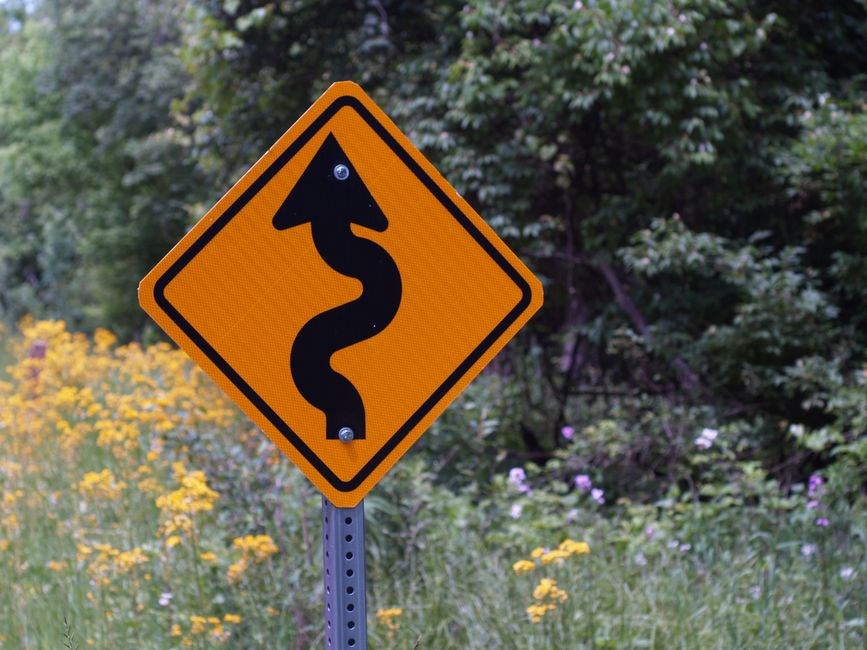
Indiana road signs span regulatory‚ warning‚ guidance‚ and informational categories. Regulatory signs enforce rules like speed limits and stop signs. Warning signs alert drivers to hazards such as curves or school zones. Guidance signs direct routes‚ exits‚ and lane usage. Informational signs provide services!
Regulatory Signs and Their Significance
Regulatory signs are the backbone of Indiana’s traffic control system‚ dictating how drivers must behave on the road. They are typically white or yellow with black lettering or symbols‚ and they enforce laws such as speed limits‚ no‑passing zones‚ and one‑way directions. In the state’s permit test‚ learners encounter a mix of these signs‚ each requiring a specific response. For example‚ a Speed Limit sign demands that drivers adjust their velocity to the posted value‚ while a No Parking sign prohibits stopping in designated areas. The Stop and Yield signs are mandatory; failure to comply can result in a penalty or a failed test. Indiana also uses Directional regulatory signs to guide traffic flow‚ such as Left Turn Only or Right Turn Only signs‚ which restrict turning movements at intersections. These signs are critical for maintaining safety and order‚ especially in high‑traffic zones and school districts. Understanding the visual cues—color‚ shape‚ and iconography—helps test takers quickly identify the required action. By mastering regulatory signs‚ drivers demonstrate compliance with state law‚ reduce confusion‚ and contribute to overall road safety.
Regulatory signs also include temporary directives such as construction zone markers and lane closure indicators. These signs help drivers navigate safely around obstacles during maintenance work. Proper interpretation can prevent accidents and keep traffic flowing smoothly.
These temporary signs guide emergency responders incidents recovery.
Regulatory signs are the backbone of Indiana’s traffic control system‚ dictating how drivers must behave on the road. They are typically white or yellow with black lettering or symbols‚ and they enforce laws such as speed limits‚ no‑passing zones‚ and one‑way directions. In the state’s permit test‚ learners encounter a mix of these signs‚ each requiring a specific response. For example‚ a Speed Limit sign demands that drivers adjust their velocity to the posted value‚ while a No Parking sign prohibits stopping in designated areas. The Stop and Yield signs are mandatory; failure to comply can result in a penalty or a failed test. Indiana also uses Directional regulatory signs to guide traffic flow‚ such as Left Turn Only or Right Turn Only signs‚ which restrict turning movements at intersections. These signs are critical for maintaining safety and order‚ especially in high‑traffic zones and school districts. Understanding the visual cues—color‚ shape‚ and iconography—helps test takers quickly identify the required action. By mastering regulatory signs‚ drivers demonstrate compliance with state law‚ reduce confusion‚ and contribute to overall road safety.
Road signs include markers indicating construction zones‚ lane closures‚ and detour and routes ‚ orange or yellow and backgrounds. Warning signs alert drivers to potential hazards ahead—such as sharp curves‚ steep grades‚ or pedestrian crossings—using a diamond shape with a red border and black symbol. Guidance signs direct traffic flow‚ featuring arrows or route markers that indicate directions‚ lane changes‚ or detours. Informational signs provide useful data like distances to cities‚ parking locations‚ or points of interest‚ typically displayed on a blue background with white text. In Indiana’s permit test‚ learners must recognize each sign’s shape‚ color‚ and iconography to determine the correct driver response. For instance‚ a “Curve Ahead” sign requires slowing‚ while a “Left Turn Only” guidance sign mandates a specific maneuver. Informational signs such as “Hospital” or “Rest Area” help drivers plan stops. Accurate identification of these signs is crucial for passing the road‑sign section and for safe driving on state highways. Road signs also include temporary markers that indicate construction zones‚ lane closures‚ detour routes‚ orange or yellow backgrounds. Drivers must adjust speed‚ follow detour arrows‚ and observe posted signage to maintain safety. Guidance signs such as arrows help navigate interchanges‚ while signs direct drivers to nearby attractions‚ parking‚ or emergency services. Recognizing the color scheme—blue for informational‚ white for regulatory‚ yellow for warning—enables decisions. In practice tests‚ each sign’s iconography pairs with a response option‚ and the driver using the 50/50 or hint feature choice.!
Practice Tests and Study Aids
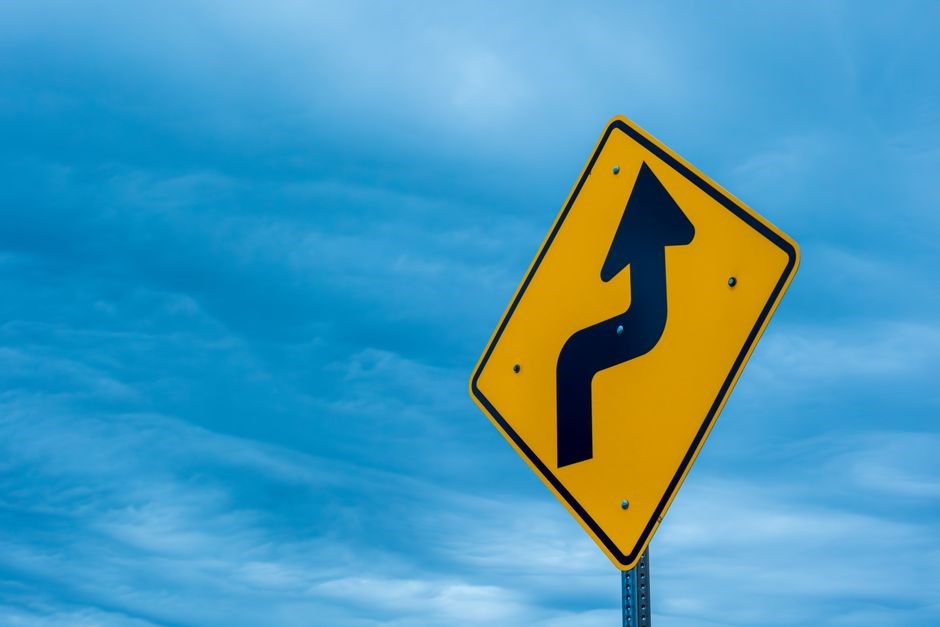
Online practice tests offer interactive quizzes with 50/50 and hint features allowing learners to identify correct responses for each Indiana road signPrintable question banks and official guides provide offline review while flashcards reinforce memory through repetition
Online Practice Test Features (50/50‚ Hint)
When preparing for the Indiana road‑sign section‚ many learners turn to the online practice test platform that mirrors the official BMV format. The test presents each question with an image of the sign and a short scenario‚ followed by 2–5 answer choices. To aid decision‑making‚ the platform offers two built‑in study aids that can be activated on a per‑question basis. 50/50 instantly removes two incorrect options from the choice list‚ leaving the test taker with a narrowed set of possibilities; by eliminating half the distractors‚ the probability of selecting the correct answer increases‚ which is especially useful when a learner is uncertain about a particular sign’s meaning or the correct driver response. Hint provides a brief clue that points toward the correct choice without revealing the full answer; hints are designed to trigger a deeper recall of the sign’s purpose or the rule it enforces‚ encouraging active learning rather than passive guessing. Both features are optional and can be used in any combination. Activating them does not affect the final score; they simply help the test taker arrive at the correct answer more efficiently. Because the Indiana BMV test allows only two incorrect responses in the road‑sign portion‚ using these aids strategically can reduce the risk of a full retest.
Use 50/50 and hint wisely; each use helps you learn without affecting the score. Consistent daily practice and reviewing mistakes build confidence for the real exam.!!
Printable Question Banks and Official Guides
For students who prefer tangible study aids‚ the Indiana Department of Transportation offers a PDF of the road‑sign study guide‚ which includes a comprehensive list of all regulatory‚ warning‚ and informational signs that appear on the permit test. The guide is organized by sign type‚ with high‑res images‚ descriptions‚ and the correct driver response for each scenario. In addition‚ several third‑party educational sites provide printable question banks that mirror the format of the online test. These banks contain 20–30 practice questions per sign category‚ complete with answer keys and explanations that reference the official Indiana Manual on Uniform Traffic Control Devices (MUTCD). By printing these banks‚ learners can create flashcards‚ quiz sheets‚ or group study sessions. Many of the printable resources are free‚ while others require a nominal fee for premium content such as advanced practice tests‚ timed drills‚ or interactive quizzes. When using these materials‚ it is essential to cross‑check the answers against the latest MUTCD updates‚ as sign designs and regulations may change. The official guide also includes a section on test‑taking strategies‚ highlighting common pitfalls and tips for interpreting ambiguous signs; Combining the printable guide with digital tools—such as the 50/50 and hint features—provides a balanced approach that caters to visual‚ auditory‚ and kinesthetic learners alike. Consistent review of the printable banks‚ coupled with periodic self‑assessment‚ helps reinforce memory retention and boosts confidence for the actual BMV exam!
Preparation Tips for Success
Use flashcards‚ review the MUTCD guide‚ practice with online tests‚ focus on high‑frequency signs‚ and test yourself under timed conditions. Revisit mistakes‚ use 50/50 for tough questions‚ and schedule regular study sessions to build confidence. Add daily quizzes review mistakes tricks to remember signs now.!
Effective Memorization Techniques
Mastering Indiana road signs demands a blend of visual‚ auditory‚ and kinesthetic learning. Begin by grouping signs into thematic clusters—regulatory‚ warning‚ guidance‚ informational—then create vivid mental images that link the shape‚ color‚ and message. For example‚ imagine a red octagon with a white “STOP” as a giant red stop sign blocking a road‚ or picture a yellow diamond with an exclamation point as a cautionary “Caution” sign that warns of a slippery surface ahead.
Use spaced‑repetition flashcards: write the sign’s image on one side and its meaning on the other. Review the deck daily‚ increasing intervals as recall improves. Complement this with the “5‑minute rule”: set a timer‚ identify as many signs as possible‚ then check answers. The time pressure mimics the test environment and reinforces rapid recognition.
Mnemonic devices help encode complex signs. For instance‚ “SLOW” can stand for “Speed Limit‚ Observe‚ Look‚ Observe” to remember a speed‑limit sign. Color coding is equally powerful—associate red with regulatory‚ yellow with warning‚ blue with guidance‚ and green with informational. When studying‚ color‑highlight the corresponding sections of the official guide.

Incorporate active recall by teaching the signs to a friend or recording yourself explaining each sign’s purpose. This forces retrieval and identifies gaps. Finally‚ simulate the test by taking full practice quizzes‚ noting errors‚ and revisiting those specific signs until they become second nature. Study hard.
Reviewing Common Mistakes and Past Tests
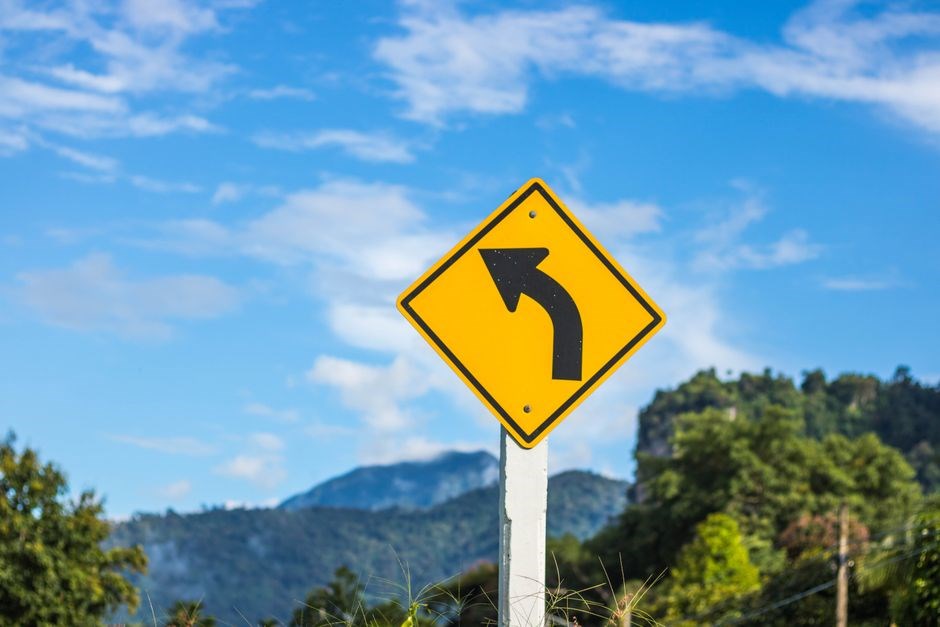
Examining previous Indiana road‑sign quizzes reveals recurring pitfalls. Many test takers misinterpret the “Yield” sign‚ confusing it with “Slow” or overlooking the subtle “Road Work Ahead” diamond. A frequent error is selecting the wrong color for a regulatory sign—red for stop‚ white for yield—when the test image is slightly faded or partially obscured. By reviewing past test archives‚ you can identify which signs consistently trip up learners and focus your study on those nuances.
Use the official Indiana BMV practice test bank to run full‑length quizzes under timed conditions. After each run‚ scrutinize every incorrect answer: note whether the mistake stemmed from a misread symbol‚ a misremembered rule‚ or a simple guess. Create a “mistake log” that lists the sign image‚ the wrong choice‚ and the correct explanation. Revisit this log daily‚ testing yourself on the highlighted items until they are reliably recalled. This targeted review turns weak spots into strengths.
Incorporate spaced repetition by scheduling weekly review sessions of past test questions. Each session should begin with a quick self‑quiz‚ followed by a brief recap of the most common errors identified in previous attempts. Over time‚ this cycle of practice‚ error analysis‚ and reinforcement solidifies your mastery of Indiana road‑sign conventions‚ ensuring you can confidently navigate the test’s visual and conceptual demands.
Additionally‚ signs with retention. Visit a local intersection with a “No Turn on Red” sign and observe its presence. Linking the symbol to creates a memory trace. Use flashcards: write the sign on one side flashcard on the other. When reviewing‚ recall the flashcard‚ which naturally brings the sign’s meaning to mind and reduces misidentification during the test.