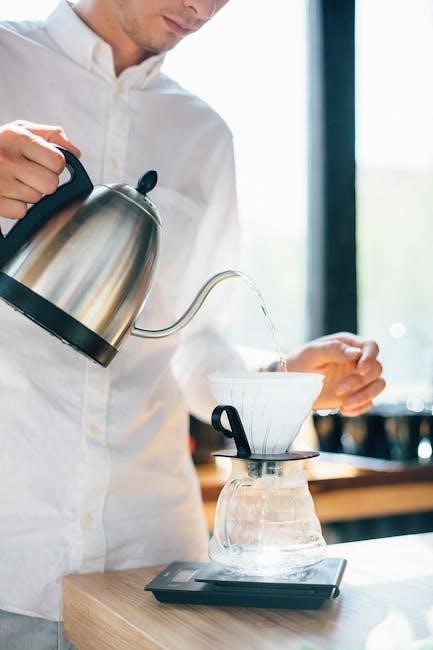
Chefman Electric Kettle Manual: A Comprehensive Guide
This manual provides essential operating instructions and safety guidelines for your Chefman Electric Kettle, ensuring optimal performance and longevity of the appliance.
It details everything from initial setup to cleaning, including the tea infuser feature, and troubleshooting common issues for a seamless experience.
Welcome! You’ve chosen the Chefman Cordless Glass Electric Kettle, a modern and efficient addition to your kitchen. This kettle is designed for quickly and safely boiling water for a variety of uses, from your morning coffee or tea to preparing instant soups and more.
Before first use, please carefully read this comprehensive guide. It contains vital information regarding safe operation, proper maintenance, and maximizing the kettle’s features, including the convenient bonus tea infuser. Understanding these instructions will ensure years of reliable service and enjoyment.
The Chefman Electric Kettle combines sleek design with practical functionality, offering a user-friendly experience. We are happy you’ve selected our product!
Unboxing and Initial Setup
Carefully unpack your Chefman Electric Kettle from its packaging, ensuring all components are present. These include the kettle itself, the power base, and potentially the tea infuser. Inspect for any visible damage that may have occurred during shipping.
Before the initial use, it’s crucial to clean the kettle thoroughly. Fill it with fresh water to the maximum fill line and boil. Discard this water – this process removes any manufacturing residue. Rinse the kettle and base with a soft cloth.
Place the base on a hard, flat, and stable surface. Ensure the power cord is fully extended from underneath the base before plugging it into a grounded electrical outlet.
Key Features and Components
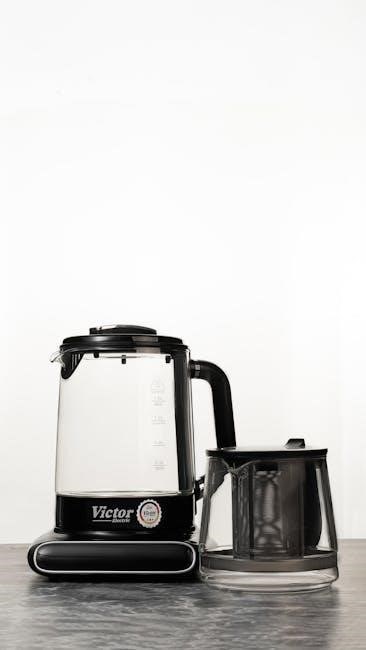
The Chefman Electric Kettle boasts several key features for convenient use. It includes automatic shut-off for safety and a boil-dry protection system. The cordless design allows for easy pouring and serving, while the 360-degree swivel base provides convenient access from any angle.
Key components include the kettle body, typically made of glass or stainless steel, the detachable power base, and a secure-fitting lid. Many models feature a built-in tea infuser for brewing loose-leaf tea directly in the kettle. The handle remains cool to the touch during operation.
The water level indicator allows you to accurately fill the kettle to your desired amount, ensuring efficient boiling.
Operating Instructions
To operate your Chefman Kettle, ensure the base is on a flat surface, fill with water, place the kettle securely, and press the power button.
Filling the Kettle
Properly filling your Chefman Electric Kettle is crucial for safe and efficient operation. Begin by disconnecting the kettle from the power base before adding water. Open the kettle lid by firmly grasping the handle; it should open smoothly. Fill the kettle with the desired amount of water, but never exceed the maximum fill line indicated inside the kettle.
Using too much water can cause boiling water to spill, presenting a potential scald hazard. Conversely, filling the kettle with insufficient water may cause it to overheat. For optimal results, use fresh, cold water. Avoid filling the kettle directly under a tap, as this can potentially damage the electrical components. Once filled to the appropriate level, securely close the lid before placing the kettle on its base.
Placing the Kettle on the Base
Before powering on your Chefman Electric Kettle, ensure it’s correctly positioned on its power base. Locate a hard, flat, and stable surface away from potential water splashes or heat-sensitive materials. Gently place the kettle onto the base, ensuring it sits securely and makes proper contact with the connector pins.
A loose connection can prevent the kettle from heating or cause intermittent operation. The base should be positioned with the power cord readily accessible for connection to a grounded electrical outlet. Do not place the base on a soft or uneven surface, as this could obstruct ventilation and potentially lead to overheating. Verify the kettle is stable before proceeding to the next step.
Powering On and Boiling Water
To initiate the boiling process, first confirm the kettle is filled with the desired amount of water and securely placed on its base. Then, plug the power cord into a grounded electrical outlet. To power on, typically a simple press of the power switch is required – often located near the handle.
The kettle will begin heating the water, and an indicator light will illuminate, signaling operation; Allow the kettle to heat undisturbed. Once the water reaches boiling point, most Chefman kettles will automatically shut off, indicated by the switch popping up or the light turning off. If needed, you can manually turn off the kettle by pressing the ‘STOP’ button.
Automatic Shut-Off Function
The Chefman Electric Kettle is equipped with a crucial automatic shut-off feature for enhanced safety and convenience. This function automatically terminates the heating process once the water reaches its boiling point, preventing overheating and potential hazards.
Typically, this is indicated by the power switch popping up to the ‘off’ position, or the indicator light extinguishing. This safety mechanism also protects the kettle itself, extending its lifespan. Always ensure the kettle has fully shut off before handling or pouring. Do not attempt to override this function. Refer to the full user guide for specific details related to your model, as operation may vary slightly.
Safety Instructions
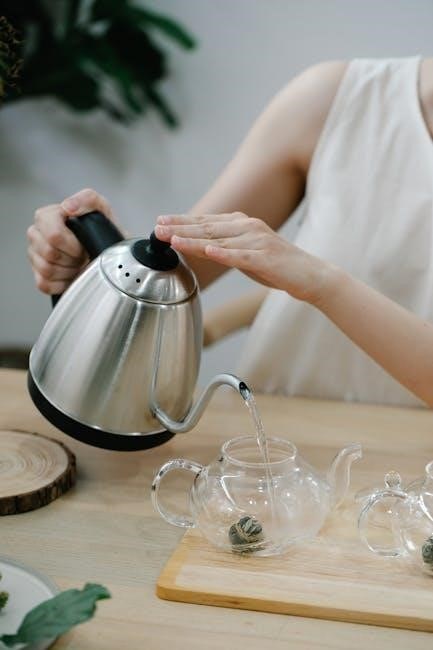
Prioritize safety by carefully reviewing these instructions before use. Proper handling, electrical precautions, and scald avoidance are vital for safe operation.
Electrical Safety Precautions
Always ensure the voltage of your outlet matches the kettle’s specifications to prevent damage or hazards. Never operate the appliance with a damaged cord or plug; immediate replacement is crucial. Avoid using extension cords, but if necessary, select one with adequate amperage.
Do not immerse the kettle, base, or cord in water or any other liquid. This poses a severe electric shock risk. Unplug the kettle before cleaning and allow it to cool completely. Never pull the cord to disconnect; grasp the plug instead.
Inspect the cord regularly for any signs of wear or damage. If found, discontinue use. Keep the kettle away from hot surfaces and avoid operating it near flammable materials. Always turn off the kettle by pressing STOP and unplugging the unit for maximum safety.
Avoiding Scald Injuries
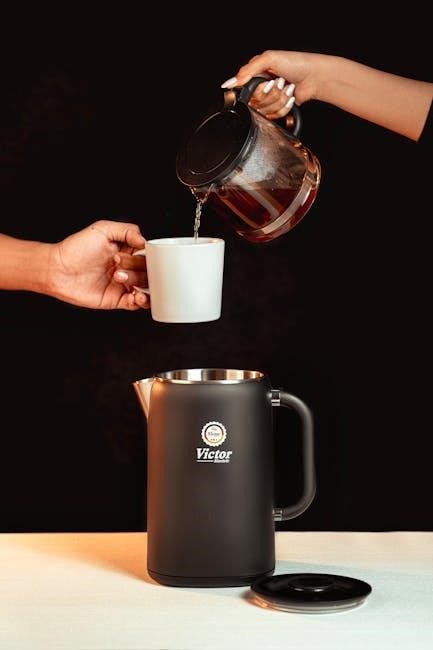
Hot water can cause severe burns; exercise extreme caution when using the Chefman Electric Kettle. Never open the lid while water is boiling or immediately after, as steam can cause significant scalds. Pour water slowly and deliberately, directing the spout away from yourself and others.
Avoid overfilling the kettle, as boiling water may splash during operation. Keep children and pets away from the kettle during and after use. Allow the kettle to cool completely before attempting to clean or store it.
Be mindful of the kettle’s exterior, as it can become hot during operation. Use the handle for safe lifting and pouring. See Safety Instructions in the Chefman User Guide for information on proper handling to minimize the risk of injury.
Proper Handling and Care
To ensure the longevity of your Chefman Electric Kettle, handle it with care. Always unplug the kettle before cleaning or when not in use. Avoid immersing the base in water or any other liquid. Do not use abrasive cleaners or scouring pads, as they can damage the exterior.
Regular descaling (as detailed in the maintenance section) is crucial for optimal performance. Inspect the power cord regularly for damage and discontinue use if any is found. Store the kettle in a cool, dry place when not in use.
See Safety Instructions in the Chefman User Guide for information on proper handling and to avoid potential hazards. Proper care will maintain the kettle’s efficiency and safety.
Using the Tea Infuser
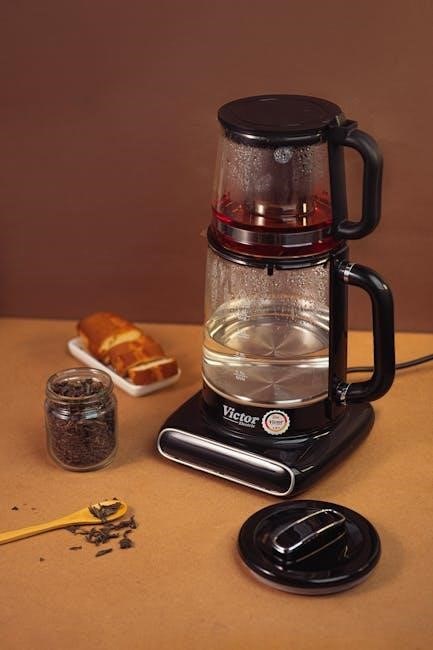
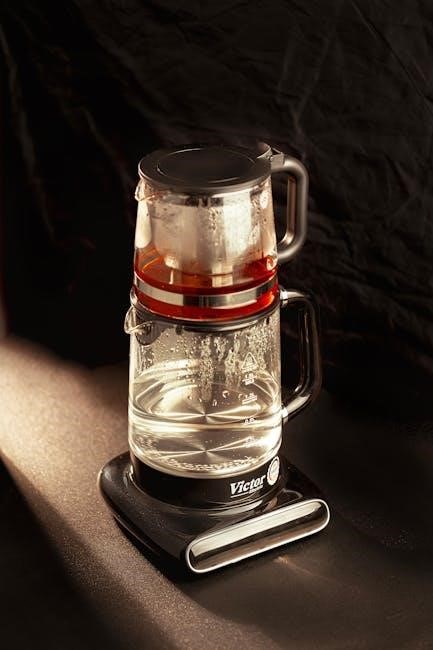
The bonus tea infuser allows brewing loose-leaf or bagged teas directly in the kettle, offering convenience and flavor. Attach and detach easily for versatile use.
Attaching and Detaching the Infuser
To utilize the tea infuser, ensure it’s securely attached to the kettle lid before filling with water. Simply place the infuser onto the lid, aligning it correctly for a snug fit; The infuser is designed for easy attachment and removal, allowing for convenient cleaning and maintenance.
When detaching, gently lift the infuser from the lid. Avoid applying excessive force, as this could potentially damage the infuser or the lid itself. After use, promptly remove the infuser to prevent tea leaves from staining or sticking. Proper handling ensures the longevity of both the infuser and the kettle, maximizing your tea-brewing experience.
Remember to consult the Chefman User Guide for detailed visual instructions and safety precautions regarding the infuser’s attachment and detachment process.
Brewing Loose Leaf Tea
For a delightful loose-leaf tea experience, place your desired amount of tea leaves directly into the infuser. The bonus tea infuser allows brewing directly within the kettle, simplifying the process. Ensure the infuser is securely attached to the lid before filling the kettle with water.
Select your preferred water temperature based on the tea type; green teas generally require lower temperatures than black teas. Once the water reaches the desired temperature, allow the tea to steep for the recommended time, typically 3-5 minutes.
Refer to the Chefman User Guide for specific tea brewing guidelines and safety instructions. Enjoy a perfectly brewed cup of loose-leaf tea with ease!
Cleaning the Tea Infuser
Regular cleaning of the tea infuser is crucial for optimal flavor and hygiene. After each use, detach the infuser from the kettle lid and discard the used tea leaves. Rinse the infuser thoroughly with warm, soapy water, ensuring all residue is removed.
For stubborn tea stains, a mild detergent or a solution of vinegar and water can be used. Use a soft brush to gently scrub the infuser, avoiding abrasive cleaners that could damage the mesh. Ensure the infuser is completely dry before reattaching it to the lid.
Refer to the Chefman User Guide for detailed cleaning instructions and safety precautions.
Cleaning and Maintenance
Maintaining your Chefman kettle involves regular descaling, exterior cleaning, and proper storage, ensuring longevity and optimal performance for years of enjoyment.
Descaling the Kettle
Regular descaling is crucial for maintaining the performance and extending the life of your Chefman Electric Kettle. Mineral buildup from water can affect boiling time and potentially damage the heating element. To descale, fill the kettle with a mixture of equal parts white vinegar and water.
Bring the solution to a boil, then let it sit for at least 30 minutes, or longer for heavier buildup. After soaking, discard the solution and rinse the kettle thoroughly with fresh water, boiling and discarding several times to remove any residual vinegar taste or odor. Repeat if necessary, ensuring a clean and efficient kettle.
Consistent descaling prevents scaling and ensures optimal operation.
Exterior Cleaning
To maintain the appearance of your Chefman Electric Kettle, regular exterior cleaning is recommended. Always unplug the kettle from the power outlet and allow it to cool completely before cleaning. Use a soft, damp cloth to wipe down the exterior surfaces, removing any spills or fingerprints.
Avoid using abrasive cleaners or scouring pads, as these can damage the finish. For stubborn stains, a mild dish soap solution can be used, followed by a thorough rinsing with a clean, damp cloth. Ensure no water enters the electrical components.
Dry the exterior completely before using the kettle again, preserving its sleek look.
Storage Instructions
Proper storage extends the life of your Chefman Electric Kettle. Before storing, ensure the kettle is completely cool, dry, and unplugged. It’s best to store it in a cool, dry place, away from direct sunlight and extreme temperatures. Avoid storing the kettle where it could be accidentally damaged or exposed to moisture.
Coil the power cord loosely and secure it to prevent tangling or damage. If storing for an extended period, consider storing the kettle in its original packaging to protect it from dust and scratches.
Keep the kettle out of reach of children and pets during storage.
Troubleshooting Common Issues
This section addresses frequent problems, like the kettle failing to power on, water leaks, or slow boiling, offering solutions for optimal performance.
Kettle Not Turning On
If your Chefman Electric Kettle isn’t powering on, several factors could be at play. First, ensure the power cord is securely connected to both the kettle base and a functioning electrical outlet. Verify the outlet is delivering power by testing it with another device.
Next, check if the kettle is properly seated on its base; it won’t operate if not correctly positioned. Confirm the lid is securely closed, as many models feature a safety mechanism preventing operation with an open lid.
If these steps don’t resolve the issue, consult the Chefman User Guide for specific troubleshooting advice related to your model. Always prioritize electrical safety and avoid attempting repairs yourself; contact customer support if problems persist.
Water Leaking from the Kettle
Discovering water leakage from your Chefman Electric Kettle requires immediate attention. First, ensure the kettle isn’t overfilled beyond the maximum water level indicator. Overfilling can cause spillage during boiling. Carefully inspect the seal around the lid; a damaged or improperly seated seal is a common cause of leaks.
Check for any visible cracks or damage to the kettle body itself. If cracks are present, discontinue use immediately. Also, verify the kettle is correctly positioned on the base, ensuring a stable connection.
Refer to the Chefman User Guide for detailed diagrams and troubleshooting steps. If the leak persists, contact customer support for assistance and potential repair options, prioritizing safety at all times.
Slow Boiling Time
Experiencing a prolonged boiling time with your Chefman Electric Kettle can be frustrating. A primary cause is scale buildup inside the kettle, hindering efficient heat transfer. Regularly descaling the kettle, as outlined in the Chefman User Guide, is crucial for optimal performance.
Ensure you’re using the correct voltage and that the power outlet is functioning correctly. Also, the amount of water significantly impacts boiling time; larger volumes naturally take longer.
Verify the kettle base and heating element are clean and free from obstructions. If the issue persists after these checks, consult the user manual or contact Chefman customer support for further assistance.