
Melnor Water Timer Instructions: A Comprehensive Guide (Updated 03/05/2026)
Today, March 5th, 2026, discover how to expertly manage your garden’s hydration with this detailed guide, including AquaSentry integration and vital user manual access.
Understanding Your Melnor Water Timer
Melnor water timers are designed to simplify your lawn and garden watering schedule, promoting healthy growth and conserving water. These devices automate the process, eliminating the need for manual faucet operation. Understanding the core functionality is key to maximizing efficiency.
Essentially, a Melnor timer connects to your outdoor faucet and controls the flow of water to your sprinklers or soaker hoses based on a programmed schedule. They range from simple mechanical models to sophisticated digital timers with advanced features like rain delay and multiple start times. The AquaSentry feature, available on select models, automatically adjusts watering schedules based on local weather data, preventing overwatering during rainfall.
Familiarizing yourself with the specific features of your model, as detailed in the user manual (like the Melnor 3300 series manual), will ensure optimal performance and longevity. Proper understanding allows for customized watering plans tailored to your garden’s unique needs.
Types of Melnor Water Timers
Melnor offers a diverse range of water timers to suit various gardening needs and budgets. Mechanical timers are the simplest, requiring manual programming via dials and offering basic on/off cycles. These are ideal for straightforward watering schedules.
Digital timers provide greater flexibility with programmable start times, watering durations, and frequency. Many include features like rain delay, allowing you to pause watering during inclement weather. The Melnor 3500 series exemplifies this category, offering enhanced control.
Furthermore, AquaSentry-enabled timers represent the most advanced option, automatically adjusting schedules based on real-time weather data. These timers connect to online weather services, optimizing water usage and promoting conservation. Understanding these distinctions – mechanical, digital, and AquaSentry – is crucial when selecting the right timer for your garden. Accessing the appropriate user manual, such as for the Melnor Digital Water Timer, is essential for setup.
Key Components & Their Functions
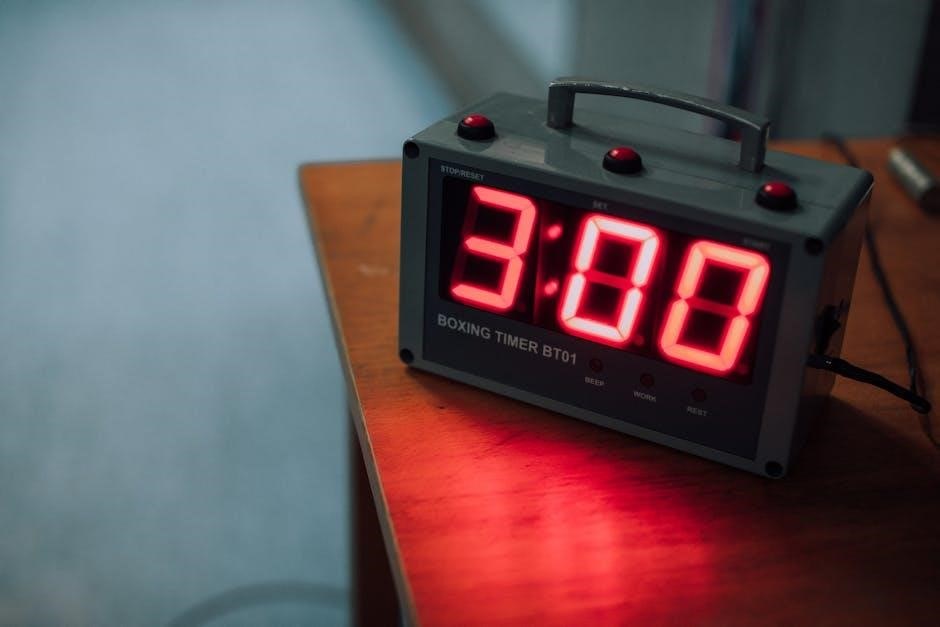
Melnor water timers, regardless of type, share several key components. The timer body houses the programming controls and valve mechanism. A digital display (on digital models) shows the current time, programmed settings, and status. The control panel, featuring buttons or dials, allows for programming.
Crucially, the valve controls the water flow, opening and closing according to the programmed schedule. A backflow preventer is often integrated or required as a separate attachment, preventing contaminated water from flowing back into your potable water supply.
The battery compartment powers digital timers, and the faucet connection securely attaches the timer to your outdoor spigot. Understanding each component’s function – from the valve’s operation to the AquaSentry’s data integration – is vital for effective use and troubleshooting, as detailed in relevant user manuals.

Setting Up Your Melnor Water Timer
Begin by carefully installing batteries and connecting the timer to your faucet, ensuring a secure fit and proper backflow prevention for optimal performance.
Initial Setup & Battery Installation
Before first use, carefully unpack your Melnor water timer and inspect all components for any damage during shipping. Locate the battery compartment, typically found with a clearly marked door or cover.
Insert the required batteries – usually AA or AAA, depending on the model – following the polarity indicators (+ and -) inside the compartment. Ensure the batteries are fresh for optimal performance and to avoid inaccurate timing.
Once the batteries are installed, the timer’s display should illuminate, indicating it’s receiving power. If not, double-check the battery installation and replace if necessary. Some models may require a brief initialization process, displaying a welcome message or prompting you to set the current time and date. Refer to your specific model’s documentation for detailed instructions on this initial setup procedure.
Connecting to the Faucet & Backflow Preventer
Begin by ensuring your outdoor faucet is in good working order and free from leaks. Before attaching the timer, it’s crucial to install a backflow preventer. This device prevents water from flowing back into your home’s water supply, protecting it from potential contamination.
Screw the backflow preventer directly onto the faucet outlet, ensuring a tight and secure connection. Then, attach the Melnor timer to the backflow preventer in the same manner. Hand-tighten initially, then use a wrench for a snug fit, avoiding over-tightening which could damage the threads.

Finally, connect your garden hose to the timer’s outlet. Double-check all connections for leaks before turning on the water. A properly installed backflow preventer and secure connections are essential for safe and efficient operation.
Programming the Timer: Basic Operation
To begin programming your Melnor timer, first, press the “Set Clock” button. Use the “Hour” and “Minute” buttons to set the current time, then press “Set Clock” again to confirm. Next, press the “Program” button to enter programming mode. You’ll typically start by setting the “Start Time” using the same hour and minute buttons.
After setting the start time, use the “Water Duration” button to select how long you want the watering cycle to last, often measured in minutes. Finally, use the “Frequency” button to choose how often you want the timer to activate – options may include daily, specific days of the week, or intervals.
Press “Program” again to save your settings and exit programming mode. Your timer is now set to automatically water your garden according to your specified schedule.

Advanced Programming Features
Unlock precise control with multiple start times, customized watering durations, and intelligent rain delay utilizing AquaSentry for optimal garden hydration management.
Multiple Start Times
Maximize watering flexibility by programming several start times throughout the day. This feature is incredibly useful for gardens with varying sun exposure or plant types needing different hydration schedules. Many Melnor timers allow up to three independent start times, enabling you to deliver water precisely when and where it’s needed most.
To set multiple start times, navigate to the programming section of your timer. Typically, you’ll select “Start Time” and then input the desired time for the first watering cycle. Repeat this process for each additional start time you wish to implement. Remember to consider the duration of each watering cycle when scheduling multiple events to avoid over or under-watering your plants. Utilizing multiple start times promotes healthier growth and conserves water by delivering it efficiently.
Watering Duration & Frequency Control
Precisely tailor your watering schedule with Melnor’s duration and frequency controls. These settings are crucial for optimizing water usage and promoting healthy plant growth. Duration determines how long each watering cycle lasts, measured in minutes, while frequency dictates how often these cycles repeat – daily, weekly, or specific intervals.
Access these controls through the timer’s programming menu. Start by setting the desired watering duration, considering the plant type and soil conditions. Next, configure the frequency to match your garden’s needs. For example, you might choose to water for 30 minutes every other day. Experimenting with these settings allows you to fine-tune your watering schedule, ensuring your plants receive the optimal amount of hydration without wasting water.
Rain Delay Functionality & AquaSentry Integration
Maximize water conservation with Melnor’s intelligent rain delay and AquaSentry features. The rain delay function allows you to temporarily pause your programmed watering schedule when natural rainfall occurs, preventing overwatering. AquaSentry takes this a step further by automatically suspending watering based on local weather data.
To activate the rain delay manually, navigate to the corresponding option in the timer’s menu and specify the desired delay duration. For AquaSentry integration, ensure your timer is compatible and connected to a Wi-Fi network. This enables it to access real-time weather information and adjust watering accordingly. Utilizing these features not only saves water but also promotes healthier plant growth by mimicking natural rainfall patterns.
Troubleshooting Common Issues
Resolve typical problems like timers failing to activate, low water pressure, or leaks with our guide, ensuring optimal performance and garden health.
Timer Not Turning On
A non-responsive timer is a frequent concern. First, verify the battery installation, ensuring correct polarity and fresh batteries – even seemingly new ones can be weak. Confirm the timer isn’t in a manual override mode, which disables scheduled programming. Check the faucet is fully open, as insufficient water pressure can prevent activation.
Inspect the timer’s display for any error messages or low battery indicators. If the display is blank, double-check the battery compartment for corrosion or damage. Try resetting the timer to its factory defaults (consult your specific model’s manual for instructions). Ensure the timer is properly connected to both the faucet and the backflow preventer, creating a secure and watertight seal.
Finally, if none of these steps resolve the issue, consider contacting Melnor customer support for further assistance, potentially indicating a hardware malfunction.
Low Water Pressure Problems
Insufficient water pressure significantly impacts timer functionality. Begin by verifying that other faucets in your home have adequate pressure, ruling out a widespread plumbing issue. Ensure the timer’s inlet filter is clean and free of debris, as blockages restrict water flow. Check for kinks or obstructions in the hose connecting the timer to the faucet and the hose leading to your irrigation system.
Some Melnor timers feature a minimum pressure requirement; consult your model’s manual. If pressure remains low, consider a pressure booster pump to supplement the water supply. Avoid using multiple water devices simultaneously, which can collectively reduce pressure.
The AquaSentry feature may also be affected by low pressure, hindering its rain delay capabilities. Regularly inspect and clean the timer’s internal components to maintain optimal performance and prevent pressure-related malfunctions.
Leaking Issues & Solutions
Leaks from your Melnor timer can waste water and damage property. First, ensure all connections – faucet, timer inlet, and hose connections – are tightly secured. Inspect the rubber washers and O-rings within these connections for cracks or wear, replacing them if necessary. A dripping timer body often indicates internal seal failure, potentially requiring professional repair or timer replacement.
Check the hose itself for punctures or splits, especially near the connectors. If the leak originates from the solenoid valve (the part that opens and closes water flow), it may signify internal damage.
Properly winterizing your timer, as detailed in the maintenance section, prevents freezing and subsequent cracking, a common cause of leaks. Regularly inspect the timer for any visible damage and address issues promptly to avoid escalating problems.

Maintaining Your Melnor Timer
Ensure longevity and optimal performance by properly winterizing, cleaning, and storing your Melnor timer, alongside timely battery replacements for consistent operation.
Winterizing Your Timer
As freezing temperatures approach, protecting your Melnor water timer is crucial to prevent damage and ensure functionality next season. Begin by disconnecting the timer from the faucet and backflow preventer. Thoroughly drain all water remaining inside the timer unit; shaking it gently can help remove stubborn droplets.
Remove the batteries to prevent corrosion from potential leaks during freezing conditions. Store the timer indoors in a dry location, away from extreme temperatures. Avoid storing it in unheated garages or sheds where it could still be exposed to freezing.
Inspect the timer for any cracks or damage before storage. If any issues are found, consider contacting Melnor customer support for assistance. Proper winterization extends the life of your timer and saves you from costly replacements in the spring. Remember to re-install batteries before the next watering season!
Cleaning & Storage
Regular cleaning maintains your Melnor timer’s performance and longevity. Throughout the watering season, periodically wipe down the exterior with a damp cloth to remove dirt and debris. Avoid using harsh chemicals or abrasive cleaners, as these can damage the plastic components.
Inspect the screen and buttons for any buildup, gently cleaning with a soft brush if needed. Before long-term storage, ensure the timer is completely dry. Store it in a cool, dry place, protected from direct sunlight and extreme temperatures.
A storage container or original packaging is ideal. Keep the user manual readily available for future reference. Proper cleaning and storage prevent corrosion, ensure accurate operation, and extend the lifespan of your valuable watering investment.
Replacing the Battery
Maintaining a fresh battery is crucial for reliable timer operation. When the display appears dim or the timer fails to function correctly, it’s time for a replacement. Most Melnor timers require a standard alkaline battery, typically AA or AAA – consult your model’s manual for specifics.
Carefully open the battery compartment, usually located on the timer’s face or back. Remove the old battery, noting the correct polarity (+ and -). Insert the new battery, ensuring proper alignment. Close the compartment securely, often with a snap or screw.
After battery replacement, re-program your watering schedule. Dispose of the old battery responsibly, following local regulations for battery recycling. Regular battery checks, especially before peak watering season, prevent unexpected interruptions to your automated irrigation.

Specific Model Instructions (Common Models)
Explore dedicated guides for the Melnor 3300, 3500 series, and digital timers, offering tailored setup and programming steps for optimal performance.
Melnor 3300 Series Instructions
The Melnor 3300 series is a popular choice for straightforward automatic watering. Begin by ensuring the unit is securely connected to your faucet and a backflow preventer – crucial for potable water safety. Programming involves setting the current time, then defining your desired watering duration, from one minute up to six hours.
Utilize the ‘Days’ selector to choose specific watering days, or opt for ‘Every Day’ for consistent hydration. A key feature is the manual override, allowing instant watering regardless of the programmed schedule. Remember to check the battery level regularly, as low power can cause inaccurate timing.
For AquaSentry compatibility, ensure the sensor is properly positioned to detect rainfall. The 3300 series benefits from simple operation, making it ideal for users seeking a reliable, no-fuss watering solution. Consult the full user manual for detailed diagrams and troubleshooting tips.
Melnor 3500 Series Instructions
The Melnor 3500 series offers expanded programming capabilities compared to the 3300. Initial setup mirrors the 3300, prioritizing secure faucet connection and backflow prevention. However, the 3500 introduces multiple start times per day, allowing for segmented watering schedules – beneficial for varying plant needs or soil types.
Programming involves setting the current time, then individually configuring each start time with its corresponding duration and watering days. The ‘Rain Delay’ function, crucial for water conservation, temporarily suspends scheduled watering.
The 3500 series also features a manual override for immediate watering. Pay close attention to the battery indicator; a weak battery can lead to programming errors. For optimal performance, especially with AquaSentry, refer to the comprehensive user manual for detailed instructions and troubleshooting guidance.
Melnor Digital Water Timer Instructions
Melnor’s Digital Water Timers boast a user-friendly LCD interface for precise control. Begin by installing batteries and connecting the timer to your faucet, ensuring a backflow preventer is in place. Setting the current time is the first step, followed by programming your desired watering schedule.
These timers typically allow for multiple start times, adjustable watering durations (from seconds to hours), and customizable watering days. Explore features like the ‘Rain Delay’ function, which pauses watering based on rainfall, and potential integration with AquaSentry for automatic rain-based adjustments.
Digital models often include a manual override for instant watering. Regularly check the display for error messages and consult the specific model’s manual for detailed troubleshooting. Proper battery maintenance is vital for accurate scheduling and reliable operation.